
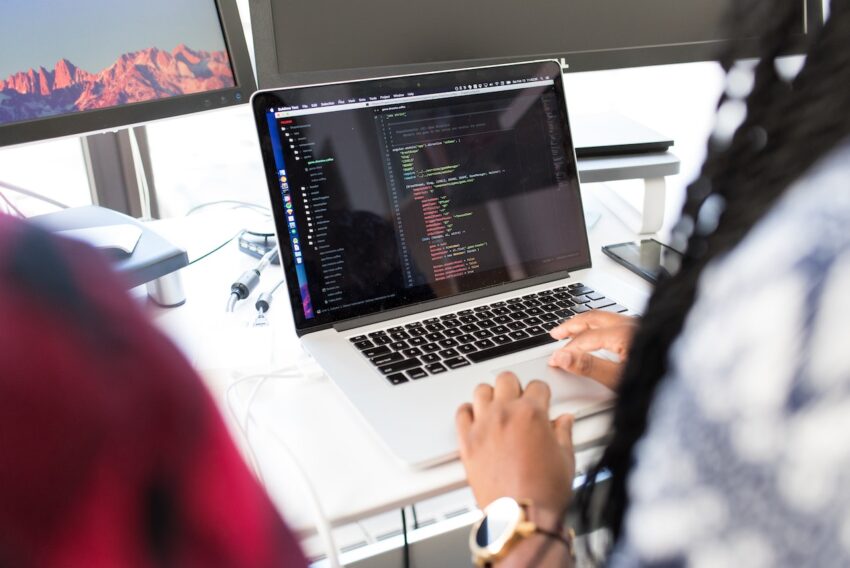
Becoming a top programmer takes time, dedication, and a commitment to continuous learning and improvement. The exact amount of time it takes to become a top programmer can vary depending on a number of factors, including the individual’s prior experience, education, and motivation.
Prior Experience: Prior experience with programming can greatly impact the amount of time it takes to become a top programmer. For individuals with prior experience in a related field, such as computer science or engineering, the learning curve may be shorter, as they already have a strong foundation in the fundamentals of programming. On the other hand, for individuals who are starting from scratch, it may take longer to reach the level of a top programmer, as they will need to build their skills and knowledge from the ground up.
Education: A formal education in computer science or a related field can also impact the amount of time it takes to become a top programmer. Programs such as bachelor’s and master’s degrees in computer science can provide a solid foundation in the fundamentals of programming and can help individuals develop the skills and knowledge they need to become a top programmer. However, it’s important to note that a formal education is not a requirement to become a top programmer, and many successful programmers have pursued alternative paths, such as self-study and online learning.
Motivation: The level of motivation and dedication an individual has to become a top programmer can also impact the amount of time it takes. Individuals who are highly motivated and dedicated to continuously improving their skills and knowledge will likely reach the level of a top programmer more quickly than those who are not as motivated.
Learning Style: The learning style of the individual can also impact the amount of time it takes to become a top programmer. Some individuals may prefer to learn through hands-on experience, by working on programming projects and building real-world applications. Others may prefer to learn through structured education, such as formal courses and textbooks. The learning style that is most effective for an individual will depend on their strengths and weaknesses, and their personal preferences.
In general, it can take anywhere from several months to several years to become a top programmer, depending on the factors mentioned above. However, it’s important to note that becoming a top programmer is not an end goal in and of itself, but rather a continuous process of learning, growing, and improving. As technology and the industry continue to evolve, top programmers are those who are committed to staying up-to-date with the latest trends and technologies and continuously improving their skills and knowledge.
One effective way to become a top programmer is to continuously work on programming projects, both independently and in collaboration with others. This can help individuals gain hands-on experience, build their portfolio of work, and develop their skills and knowledge in a real-world setting. Additionally, participating in online forums, attending conferences and events, and seeking out mentorship opportunities can help individuals stay up-to-date with the latest trends and technologies, and connect with others in the industry.
Practice: Regular practice is a key component of becoming a top programmer. By continuously working on programming projects, individuals can develop their skills and knowledge, and become more proficient in the programming languages and technologies they are using. It’s also important to practice problem-solving, as this is a critical skill for programmers. Regular practice can help individuals become more efficient and confident in their abilities, and it can also help them identify areas where they need to improve.
Continuous Learning: The field of programming is constantly evolving, and it’s important for programmers to stay up-to-date with the latest trends and technologies. Continuous learning can take many forms, including taking online courses, reading books and articles, and attending conferences and events. Additionally, keeping up with the latest programming languages and technologies can help individuals expand their skill set, and it can also make them more valuable and in-demand in the job market.
Collaboration: Collaborating with others can be a valuable way to become a top programmer. By working with others on programming projects, individuals can learn from others, gain new perspectives, and develop their skills and knowledge in a real-world setting. Collaboration can also help individuals build their network, and it can provide opportunities for mentorship and guidance from experienced programmers.

Real-World Experience: Building real-world applications and working on programming projects can help individuals gain real-world experience and develop their skills and knowledge in a practical setting. Real-world experience can also help individuals build their portfolio of work, which can be a valuable asset when seeking employment or clients.
Passion: Finally, passion and a love for programming can be a driving force in becoming a top programmer. Individuals who are passionate about programming are often more motivated and dedicated to continuously improving their skills and knowledge, and they are also more likely to enjoy their work and be successful in the field.
Building a Strong Foundation: Building a strong foundation in the fundamentals of programming, such as algorithms, data structures, and software design patterns, is critical to becoming a top programmer. By understanding these fundamentals, individuals will be able to write efficient and scalable code, and they will be better equipped to solve complex programming problems.
Getting Involved in Open-Source Projects: Contributing to open-source projects can be a valuable way to become a top programmer. By participating in open-source projects, individuals can gain experience working with real-world code, learn from others, and contribute to projects that are used by millions of people. Additionally, participating in open-source projects can help individuals build their portfolio of work, and it can also provide opportunities for mentorship and guidance from experienced programmers.
Networking: Networking with others in the programming community can be a valuable way to become a top programmer. By connecting with others in the industry, individuals can learn from others, gain new perspectives, and stay up-to-date with the latest trends and technologies. Networking can also provide opportunities for mentorship, collaboration, and job opportunities.
Focusing on Quality: Focusing on writing high-quality code is critical to becoming a top programmer. High-quality code is efficient, scalable, and maintainable, and it can help individuals build a strong reputation in the industry. By focusing on quality, individuals can also avoid common programming pitfalls and errors, and they can improve their skills and knowledge over time.
Understanding User Needs: Understanding the needs of users is critical to becoming a top programmer. By understanding the needs of users, individuals can create applications that are more user-friendly and effective, and they can also improve their skills and knowledge in user experience (UX) design.
Becoming a top programmer takes time, dedication, and a commitment to continuous learning and improvement. The exact amount of time it takes to become a top programmer can vary depending on a number of factors, including prior experience, education, motivation, and learning style. However, by continuously working on programming projects, staying up-to-date with the latest trends and technologies, and seeking out mentorship opportunities, individuals can increase their chances of becoming a top programmer and succeed in the field of programming.